
*This post may contain affiliate links for which I earn commissions.*
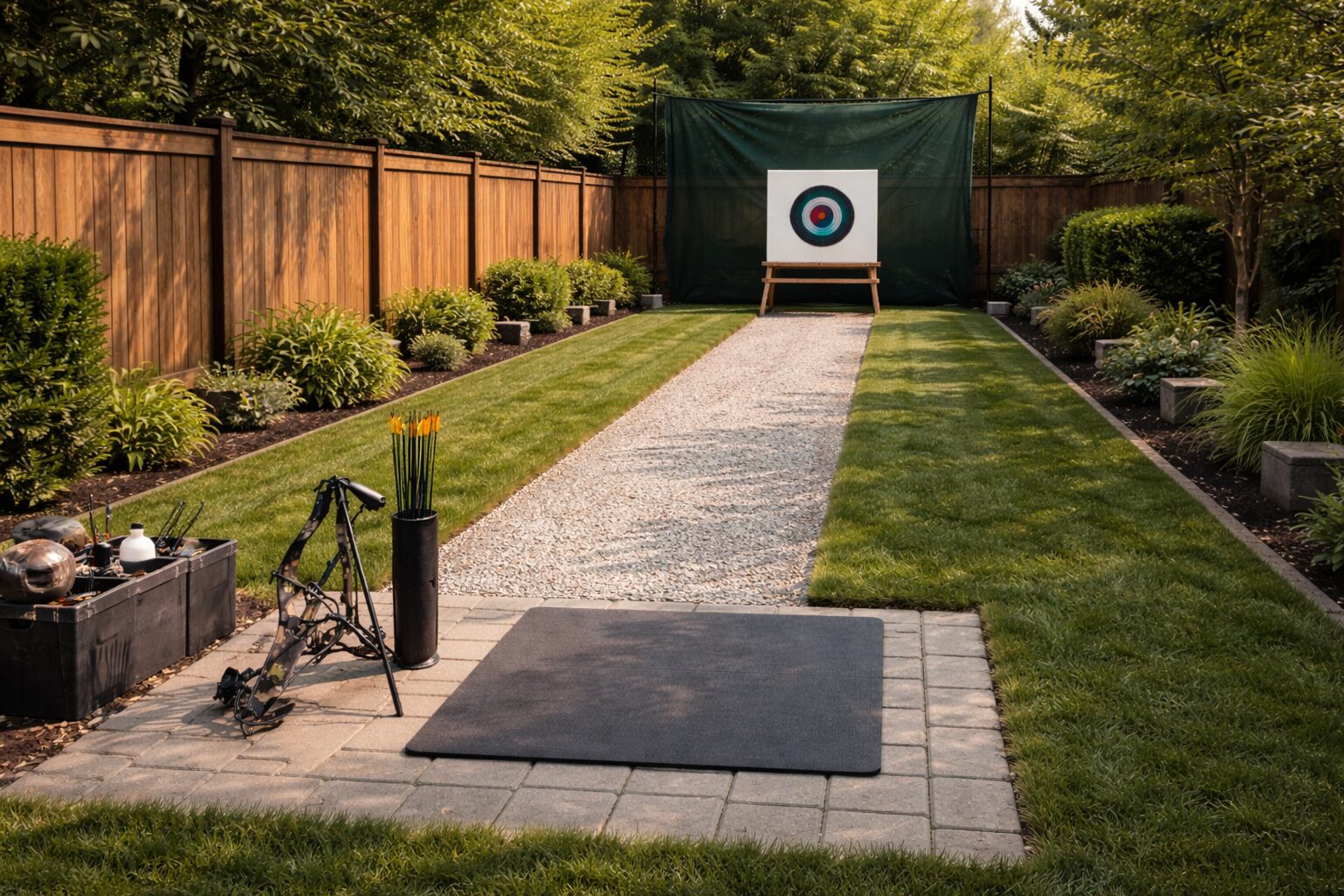
The sun’s dropping behind the fence, the grass is still warm, and you’re standing at the end of your yard trying to figure out where a safe shooting lane could actually fit. You don’t need acreage. You just need a smart layout.
I’ve helped friends dial in small and side-yard setups, and the biggest difference always comes down to how intentional the space feels. Modern doesn’t mean flashy. It means clean lines, clear safety zones, and a real-world setup that makes sense every time you step up to shoot.
The Design Direction
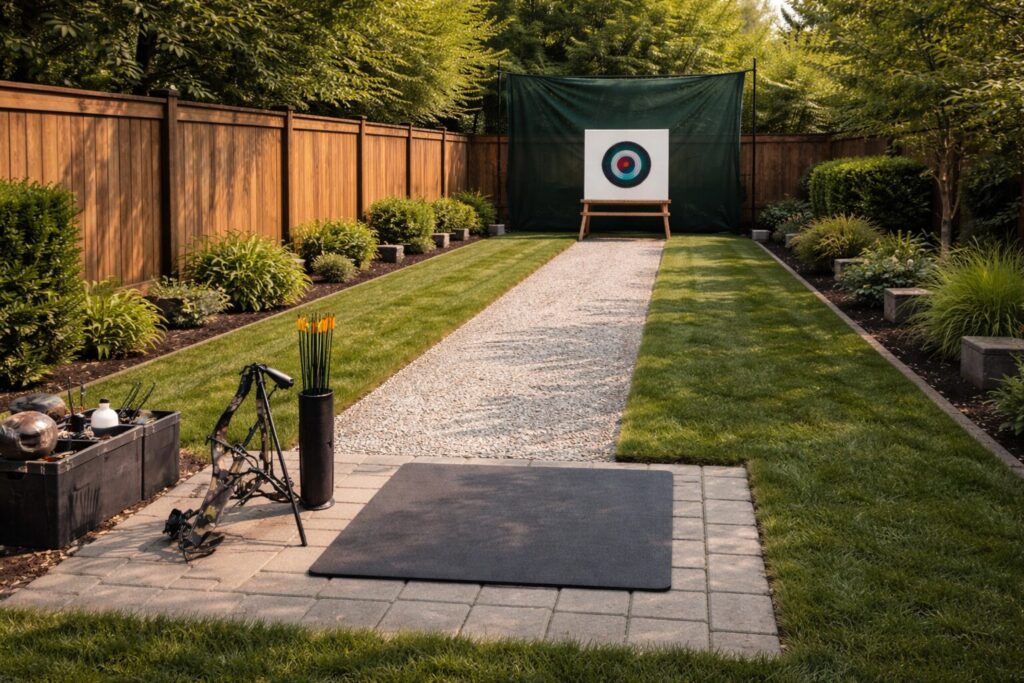
For a modern backyard shooting lane, I think clean and structured.
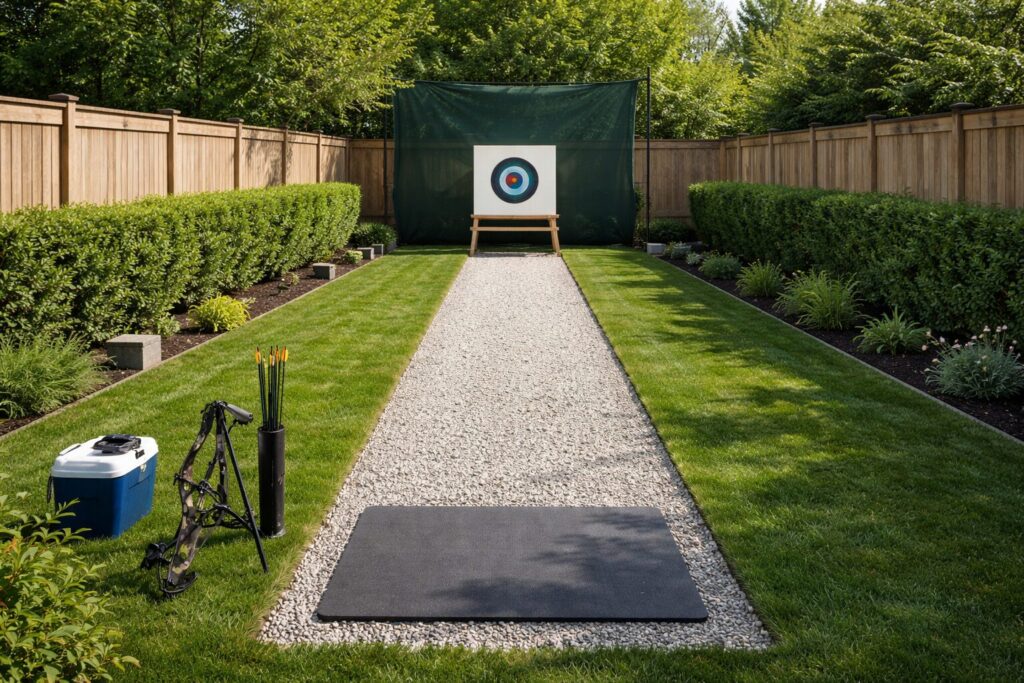
Neutral tones work best. Black target stands, natural wood posts, gravel in gray or tan, and a simple green backstop net that blends into shrubs. Nothing cluttered. Nothing random.
I like straight shooting lanes with defined edges. Think narrow gravel strips, trimmed turf, or paver stepping pads that guide your feet into position. The textures matter. Smooth rubber stall mats underfoot, tight woven netting behind the target, pressure-treated wood with a dark stain.
Lighting stays simple. Low solar path lights or a single soft flood mounted high on the fence so the target is visible without blasting your eyes.
The whole goal is safe and simple. You walk out. You know exactly where to stand. You know exactly where the arrows are going.
Idea Starters
Here are layout ideas that work especially well in small spaces:
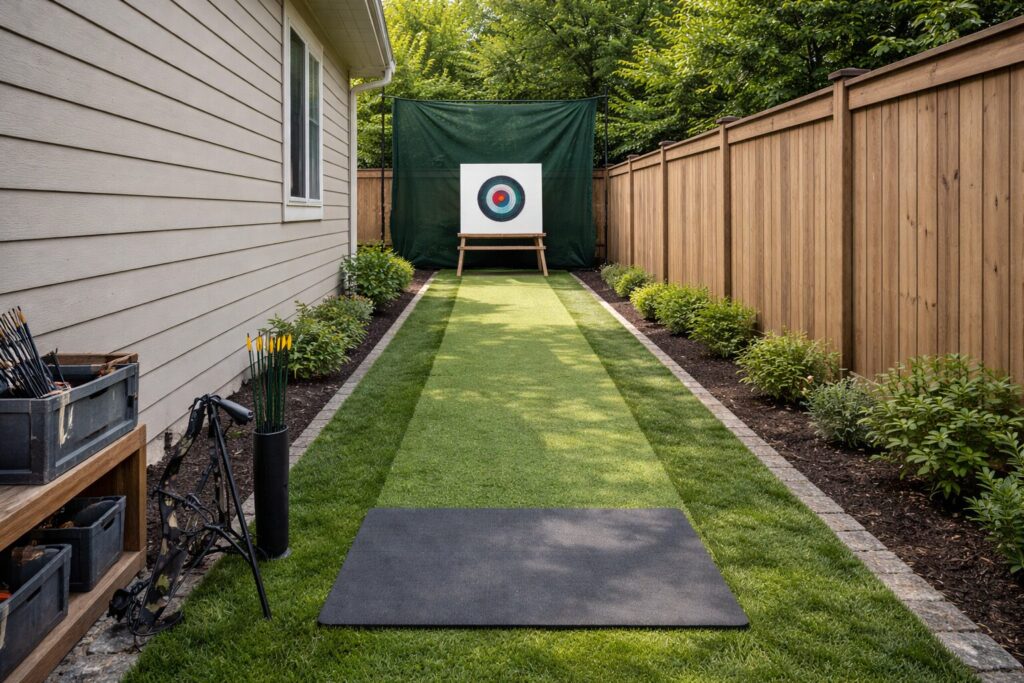
- Side-yard tunnel lane
Use the narrow space between house and fence as a 10 to 15 yard shooting lane. Add heavy-duty netting at the end and trim shrubs back so nothing deflects an arrow. - Gravel strip shooting lane
Lay a 3 to 4 foot wide gravel strip from shooting line to target. It visually defines the lane and keeps mud down after rain. - Corner-to-corner diagonal setup
In a square yard, shoot diagonally to gain a few extra yards. Just make sure your backstop is tight against a solid fence or berm. - Raised target platform
Build a low, framed platform filled with compacted sand or rubber mulch. It elevates the target slightly and keeps arrows out of soil. - Fence-mounted backstop wall
Attach layered horse stall mats or thick foam panels to a reinforced fence section, then hang a net in front. This adds a second layer of safety. - Modular target zone
Use freestanding target stands that can slide left or right. It helps you vary aim points without changing your shooting line. - Minimalist black-and-wood lane
Stain posts dark brown and use matte black hardware. It instantly gives a clean, modern feel without changing the structure. - Short 8-yard precision lane
If your yard is tight, embrace it. Set up a short lane focused on form work. Small dot targets at 8 yards are humbling in the best way. - Artificial turf shooting pad
Install a 4×6 foot turf rectangle where you stand. It creates a consistent anchor point for your feet and looks sharp year-round. - Portable garage-facing lane
Shoot toward a reinforced wall with a freestanding backstop system in front. This works well for winter evenings when daylight fades early. - Layered backstop zone
Combine a bag target, foam block behind it, and netting behind that. Three layers sound like overkill until you pull one flyer high. - Framed shooting box
Use two upright posts and a simple header beam to “frame” the shooting line. It gives the lane structure without closing it in.
Quick Tip: Always leave at least a few extra feet of clear space behind your backstop. Arrows have a way of testing your assumptions.
A Few Helpful Picks
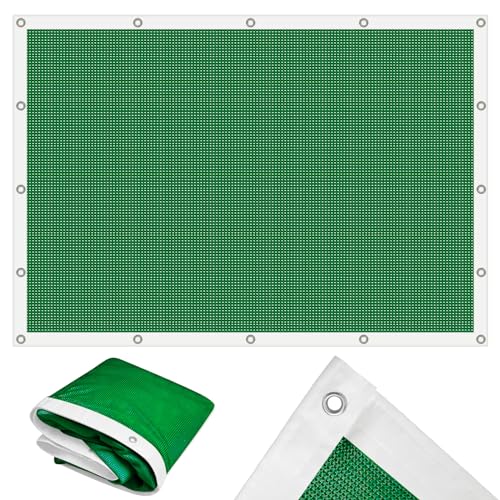
- A heavy-duty backyard archery net rated for compound bows gives you a forgiving backstop in small yards.
- A freestanding steel or pressure-treated wood target stand keeps your shooting lane flexible.
- Interlocking rubber stall mats create a clean, durable shooting pad that stays flat.


Polishing Moves
- Add matching post caps to any exposed wood uprights for a finished look.
- Paint or stain all structural wood the same tone so it feels intentional.
- Use low-profile solar path lights along the shooting lane edge, not downrange.
- Keep a small wall-mounted bow rack near your shooting line to reduce clutter.
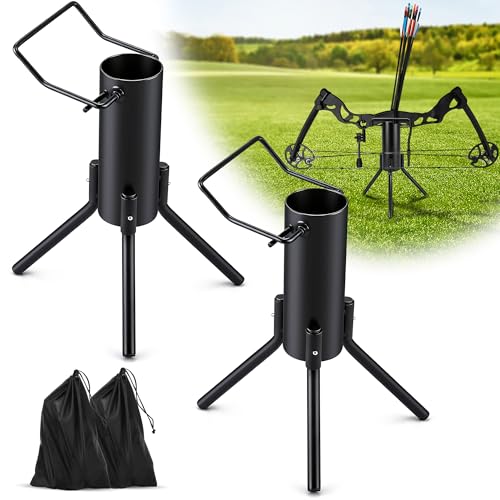
- Store arrows in a simple standing quiver instead of leaning them on the fence.
- Trim grass and weeds along the lane edges weekly. It makes a bigger difference than you’d think.
- Mark your primary shooting distance with a subtle in-ground marker so you’re consistent.
What to Grab for This Look
Here are product types that help you recreate a modern, small-space shooting lane:
- Heavy-duty archery backstop net
Look for thick woven material rated for your draw weight and at least a few feet wider than your target. This is your primary safety layer. - High-density foam block target
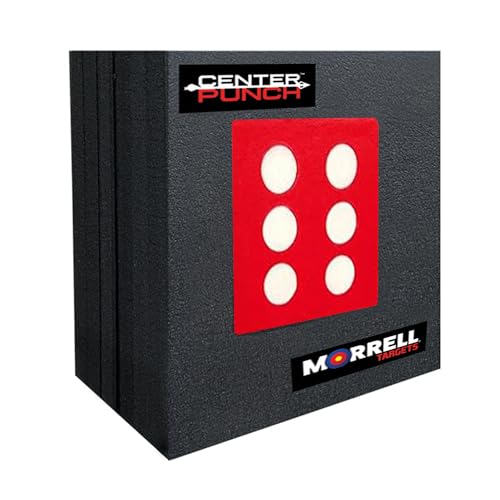
Choose one with replaceable cores and broadhead compatibility if you hunt. The clean edges fit the modern vibe and hold up well. - Layered bag target for compounds
A large, square bag with reinforced stitching absorbs energy well in shorter lanes where arrows hit with authority. - Freestanding metal target stand
Powder-coated steel or solid wood frames with adjustable height let you move your setup without rebuilding. - Rubber stall mats or shooting platform mats
Thick, textured rubber gives you stable footing and visually defines your shooting line. - Pressure-treated 4×4 posts
Great for framing a backstop zone or shooting box. Stain them dark for that clean-lined look. - Artificial turf roll or mat
A small section at the shooting line adds consistency and keeps the area tidy. - Solar path lights or a low-output floodlight
Soft, indirect lighting keeps the lane usable in the evening without creating glare. - Wall-mounted bow rack or vertical bow hanger
Keeps gear organized and reinforces that modern, uncluttered feel.

If you’re staring at your yard wondering where to start, don’t overthink it. Walk outside today, stand where you’d naturally shoot, and picture a straight line to the safest back corner you have.
Mark that line with a few cones or sticks. That’s your first draft of a modern shooting lane. You can build from there.